
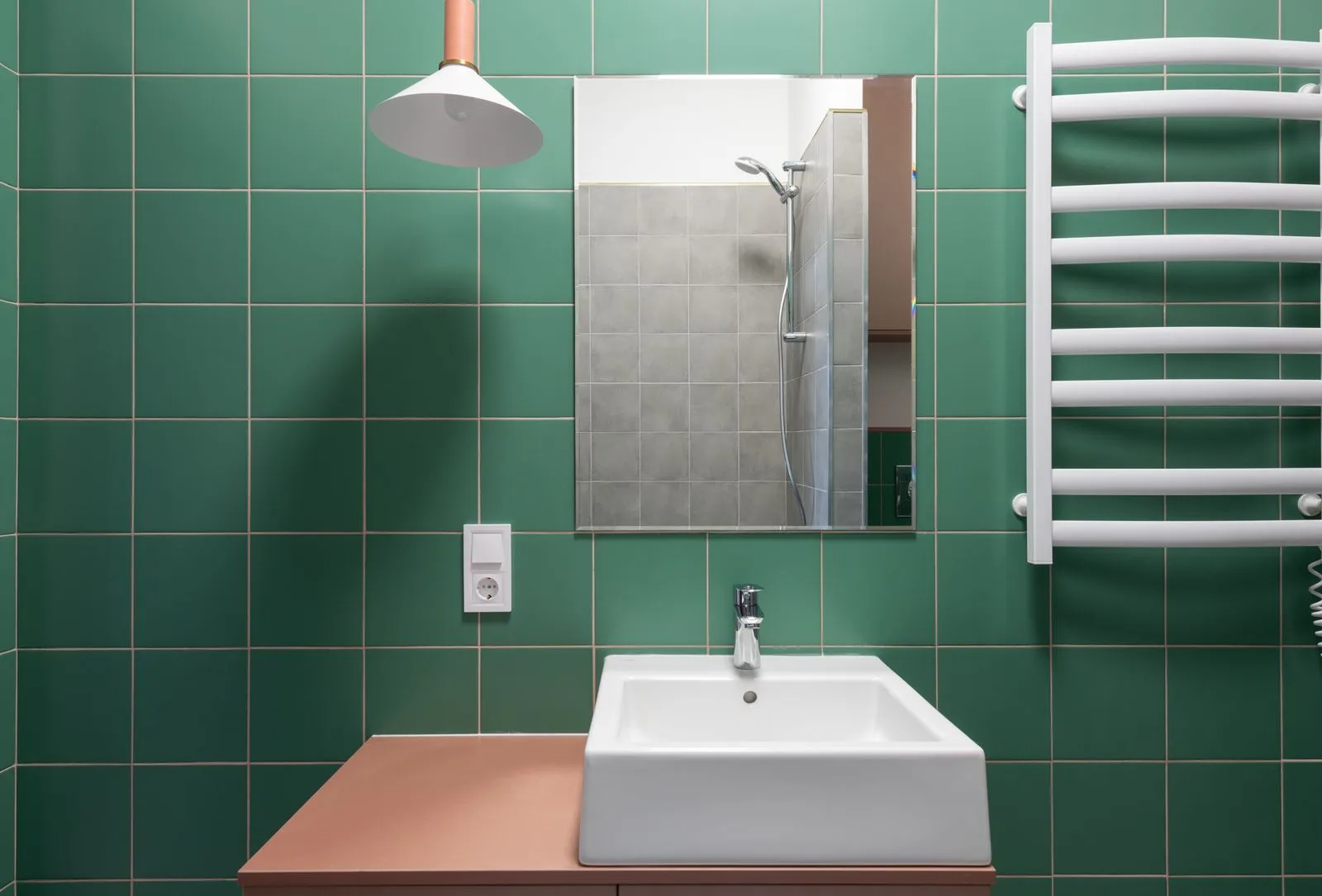
Ceramic tile stands up well to everyday use, but dust, spills, and tracked-in grit can dull its surface or stain grout over time. A simple routine helps keep floors clean without harsh products or unnecessary scrubbing. Sweep or vacuum regularly, wipe up spills promptly, and choose cleaners suited to your tile and grout. These practical habits can make routine care easier and help your floor stay attractive for years.
Build a Simple Cleaning Routine
Sweep or vacuum ceramic tile regularly to remove grit, crumbs, and other debris. Fine particles can act like sand under shoes and may scratch the finish over time. Use a vacuum setting or attachment intended for hard floors, and avoid a beater bar that could mark the tile or loosen debris into grout lines.
For routine mopping, use warm water and a small amount of a pH-neutral cleaner labeled safe for ceramic tile. Follow the product directions and change the water when it becomes dirty. Too much cleaner can leave a film that attracts soil, so rinse if the label recommends it and dry the floor with a clean cloth to reduce water spots.
Treat Spills and Stains Promptly
Blot spills as soon as you notice them, then clean the area with water and a soft cloth or mop. This is especially useful for coffee, juice, cooking oil, and colored sauces, which can leave residue on grout or textured tile. Avoid rubbing a spill outward, since that can spread it into nearby grout lines.
If a mark remains, test a tile-safe cleaner in a small, inconspicuous spot before using it across a larger area. Do not combine cleaning products, especially bleach and ammonia. Skip abrasive scouring pads and metal brushes, which can scratch tile or damage grout. For a stubborn stain, check the tile manufacturer’s care instructions or consult a flooring professional.
Give Grout Careful Attention
Grout is more porous than glazed ceramic tile, so it can hold onto dirt and moisture. Clean grout with a product approved for your grout type and a soft nylon brush. Work in small sections, avoid flooding the joints, and wipe away loosened soil with a damp cloth. Always follow label directions and test the cleaner in a discreet area first.
Keep grout in good condition by addressing leaks and persistent dampness, particularly around sinks, showers, and entryways. Once grout is clean and fully dry, consider whether a compatible grout sealer is recommended for your installation. Sealer does not replace cleaning, and some grout types or tile systems have specific maintenance requirements.
Prevent Everyday Wear
Place mats at exterior doors to catch grit and moisture before they reach the floor. Choose mats with backing that will not discolor or stick to tile, and lift them occasionally to clean underneath. Felt pads on chair and table legs help prevent scuffs, while lifting furniture instead of dragging it reduces the chance of chips or scratches.
Use plastic or rubber protectors under heavy items and clean up water around appliances promptly. If a tile chips or cracks, avoid repeatedly soaking the area and arrange a repair rather than letting the damage spread. Keep a few spare tiles, if available, in case a future repair needs to match the original flooring.
Regular sweeping, prompt spill cleanup, gentle mopping, and careful grout maintenance are the essentials of ceramic tile care. Use products suited to your floor, and follow the manufacturer’s instructions when you are unsure. With a steady routine and a few protective steps, you can keep tile cleaner and reduce avoidable wear. For help choosing ceramic tile, Riverstone Tile in Chattanooga can offer guidance.